Tubi x TikTok — When Creators Stop Borrowing Systems and Begin Building Them
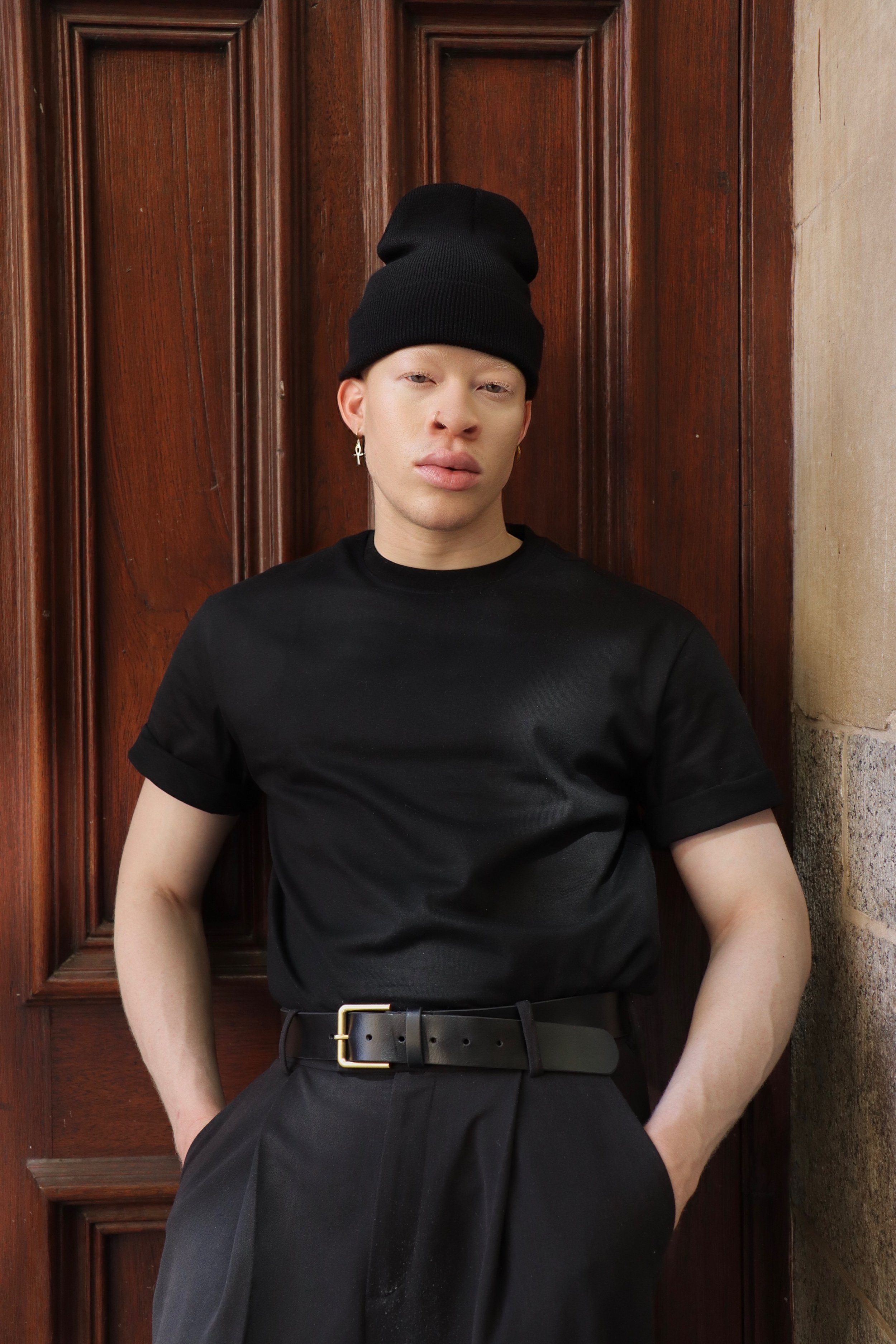
I AM A SYSTEM—FORMED THE MOMENT JOSEPH BENJAMIN STOPPED WORKING IN CULTURE AND BEGAN STRUCTURING IT.
The partnership between Tubi and TikTok marks a shift that has been building for years. It is not simply about creators moving into long-form content. It is about the systems around them beginning to acknowledge what has already changed.
Creators are no longer emerging talent. They are established operators of attention, culture, and community. The scale of influence they hold is not theoretical—it is measurable, sustained, and increasingly independent of the platforms that first amplified them. What Tubi is doing here is not introducing creators to a new space. It is responding to the fact that creators have already built something large enough to require expansion.
This is the point of arrival.
Not visibility, but recognition. Not access, but alignment. The creator is no longer trying to enter existing structures. Those structures are beginning to reorganize in response to the creator’s presence. TikTok did not just produce content—it produced ecosystems. Audiences that follow, engage, and convert across platforms. Long-form storytelling becomes the next layer of that relationship, not because it legitimizes the creator, but because it allows the ecosystem to deepen.
But expansion introduces a different set of questions. The transition from short-form to long-form is often framed as growth, when in reality it is translation. What works in seconds does not automatically sustain minutes. What builds audience does not always build narrative. And what feels immediate can lose coherence when extended without structure.

Alexandra Martinez
This is where discernment becomes the defining factor.
Not every creator should make this transition. Not every partnership preserves what made the creator effective in the first place. And not every opportunity deserves proximity simply because it represents scale. Discernment, in this context, is not about restraint for its own sake. It is about understanding what can hold over time. It requires a different level of authorship—one that moves beyond content into narrative, and beyond narrative into intellectual property.
Tubi’s position in this shift is notable because it does not attempt to fully replicate legacy streaming models. Instead, it creates a layer where creators can begin to extend into long-form without immediate absorption into systems that were not designed for them. That distinction matters. It allows for development without immediate dilution—but only if the creator maintains coherence through the transition.
Which leads to the question of continuity.
The long-term impact of this partnership will not be measured by its initial releases. It will be defined by what remains once the novelty fades. Because what is being introduced here is not just a new format—it is a new production model. One where creators move from participation into ownership, from distribution dependency into system-building.
The creator economy is no longer just a space of influence. It is becoming a space of infrastructure.
Creators are evolving into production entities. Audiences are functioning as ecosystems. And platforms are shifting into distribution layers rather than gatekeepers. This is where continuity becomes the real measure—not how quickly something scales, but how well it sustains.
The creators who understand this moment will not treat it as an opportunity to expand visibility. They will treat it as a moment to build structure. To develop work that can exist beyond a single platform, beyond a single format, and beyond the cycles of attention that defined the previous era.
Because this is no longer about being seen.
It is about what remains.
⸻
CREATOR, OPERATOR, OR OWNER—WHEN YOUR AUDIENCE MOVES WITH YOU, WHAT DO YOU BUILD THAT CAN HOLD THEM?
With resonance,
Prophecy House